Wefted Vs Hand Tied Wigs: How to Choose Between Them

What’s the difference between wefted and hand-tied wigs, and how do you choose?
Hand-tied wigs have hairs individually knotted onto the cap, allowing flexible movement, more styling freedom, and the most natural look. Machine-wefted wigs use rows of hair sewn into the cap, providing fullness and structure, usually at a lower price. Some wigs combine both methods, with a hand-tied top and machine weft sides and back.
At Daniel Alain, we help women understand these differences during wig consultations, with close attention to fit, comfort, and every day wear. When you’re already navigating hair loss, the terminology can feel overwhelming. Your choice comes down to how the wig feels on your head, how you want to style it, and your budget. Both constructions can look natural when the wig fits well and is styled appropriately.
In this article, we’ll explain how each construction method works, compare comfort, appearance, styling options, and cost, and help you understand what to look for when you shop for a wig.

What Is a Hand-Tied Wig?
A hand-tied wig is made by tying individual hairs or small groups of hair onto a soft, ultra thin cap base. Because the hair isn’t sewn together in rows, it can move more freely, much like natural hair.
Making a hand-tied cap is detailed, time-consuming work. Skilled craftspeople, known as ventilators, tie the hair into the base one knot at a time, carefully controlling its placement and direction. The number of hairs in each knot matters, too: smaller knots are less visible and help the hair look as though it’s growing from the scalp.
This hands-on craftsmanship is one reason fully hand-tied wigs are generally more expensive than machine-wefted wigs. You’re paying for the time and skill involved, as well as the flexibility the construction offers when parting and styling the hair.
What Is a Wefted Wig?
A wefted wig is made from strips of hair sewn together in rows and attached to the cap. Each strip is called a machine weft. The main difference from a hand-tied wig is that the hair is attached in rows rather than knotted individually onto the base.
Wefted caps can provide built-in lift and fullness, making them a good option for styles with body, waves, or curls. In open-wefted designs, the spaces between the rows allow air to circulate, which may help you feel more comfortable in warmer weather or during exercise.
A wefted wig can still have a natural look, but the rows need to stay covered by the hair above them. This is worth considering if you like to pull your hair up or frequently change your hairstyle.
Wefted wigs also generally cost less than fully hand-tied wigs because making the cap involves less manual labor.
Hand-Tied or Wefted: Which Feels Better to Wear?
A hand-tied wig often feels softer and more flexible against the scalp, while an open-wefted wig allows air to circulate between the rows of hair. Neither will feel better for everyone. The cap’s materials, fit, and overall weight all affect how comfortable it is to wear.
For someone with a sensitive scalp or extremely fine hair, a hand-tied cap may feel gentler against delicate skin. A wefted cap has more structure, and you may notice the seams where the rows are attached. Some people barely feel them; others find them uncomfortable after several hours.
Open-wefted caps can feel airy, but a hand-tied wig can also be breathable. The amount of hair, its density, and the materials used throughout the cap matter alongside the construction method.
The best way to compare them is to try both on at a salon and give yourself time to notice how they feel. Pay attention to pressure around your temples, rubbing at the nape, and any areas that feel tight or itchy. A well-fitting cap should feel secure without pinching, whichever construction you choose.
Hand-Tied or Wefted: Which One Fits Your Styling Preferences?
When you’re choosing between a hand-tied and a wefted wig, it helps to think about the hairstyles you love and how you plan to wear your wig day to day. Both cap types offer beautiful results, but they behave differently when it comes to movement, flexibility, and how easy it is to create certain looks.
Hand-tied wigs offer the most freedom when it comes to styling
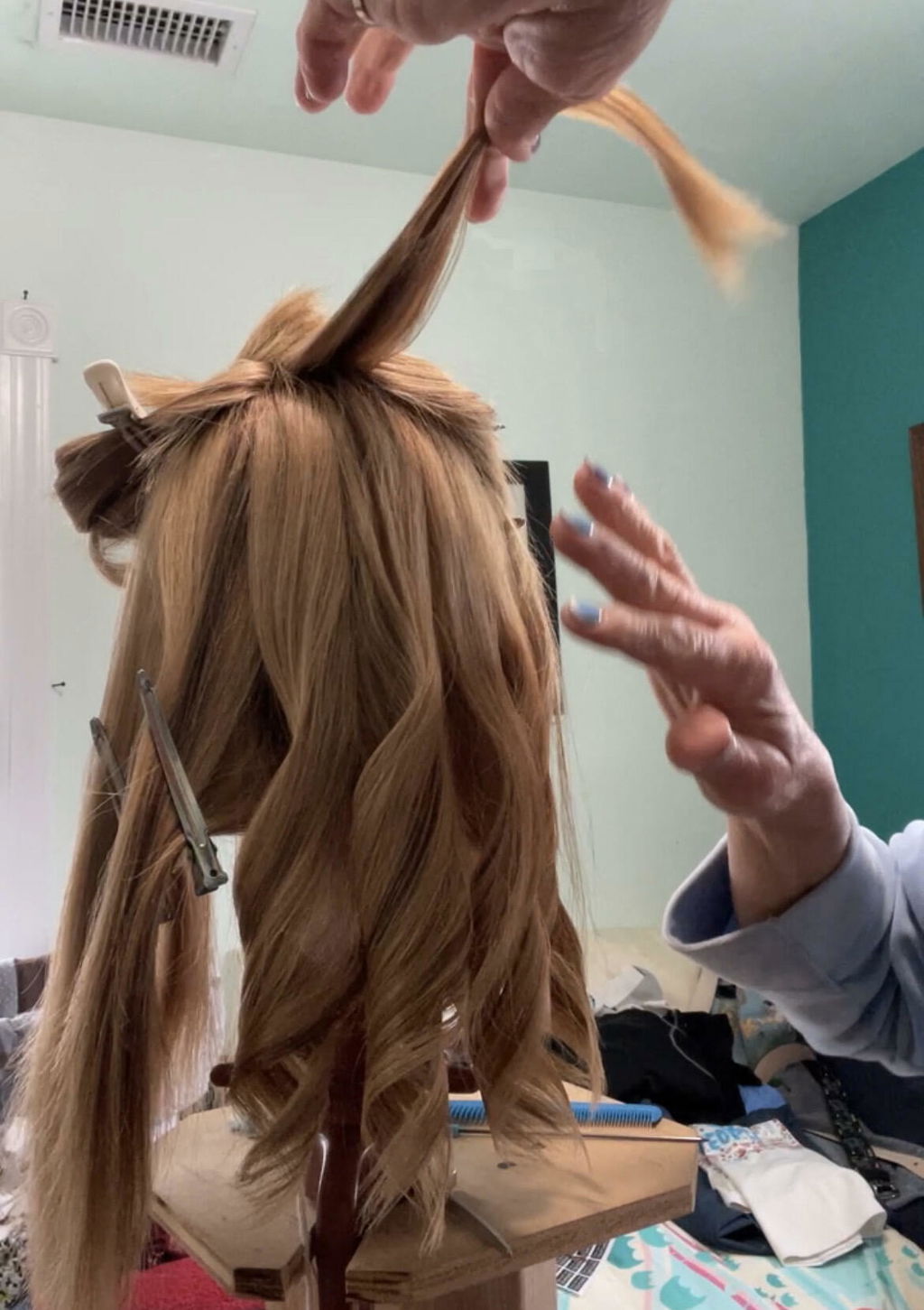
Because every strand is individually tied, the hair moves in a soft, fluid way that mimics biological hair. This flexibility also makes it easier to create styles that lift the hair off the face or neck. High ponytails, top knots, and updos are generally much more seamless with a fully hand-tied cap because there are no rows of wefts to hide. The hair can be directed in multiple ways without revealing the cap, which gives you confidence to wear your favourite hairstyles without limitations.
Wefted wigs can still be styled beautifully, but require a bit more strategy
Wefts provide structure and volume, which is great for wearing your hair down or creating low ponytails, soft waves, or bouncy blowout looks. But when it comes to high ponytails, slicked-back styles, or top knots, you’ll need to be more mindful of placement. These looks are possible, but they often take more time and technique because you’re working to conceal the rows of wefts at the back of the cap.
Daniel Alain customer, Mirna, says, “I’ve found a way where I can pull [my wefted wig] back in a low ponytail and keep the machine-wefting hidden. You can cut some baby hairs at your nape to disguise the bottom of the wig, and you can pull out some hair around the ear tabs. This will conceal the ear tabs so nobody will know that you have a wig on.”
Hand-Tied or Wefted: Cost and Value
When comparing hand-tied and wefted wigs, the difference in cost often comes down to how each one is constructed and how much labour is involved. Hand-tied wigs sit at the top end of the price range because every strand of hair is individually knotted by skilled craftspeople. It’s a slow, meticulous process that results in a soft, flexible cap that moves naturally and feels gentle against the scalp. For people who prioritize comfort or plan to wear their wig for many hours a day, the higher price can feel worthwhile.
Wefted wigs, on the other hand, are generally more affordable. Their machine-sewn construction makes them quicker to produce, so they offer excellent value for anyone who wants volume, styling versatility, or a lower-maintenance option without sacrificing quality.
Still Not Sure Which Wig Cap Is Right for You?
Choosing between a hand-tied and a wefted wig can feel like a big decision, especially when you're new to wigs and want to make the best choice for your comfort and confidence. The truth is, there’s no single “right” answer, only what feels right for you.
If you’re unsure where to start, a personalized consultation can make everything much clearer. A Daniel Alain expert can walk you through both cap types, help you try on different fits, and talk through the styles and comfort features that matter most to you. It’s a supportive space to ask questions, feel the differences for yourself, and make a choice you feel genuinely good about.


 Call Us
 Showroom