6 Truths About Wearing a Wig That Might Surprise You

Are you considering your first wig after hair loss and wondering what it will feel like to wear one every day? With so many details to think about, from how soft the wig cap feels against your scalp to how lace front wigs create a natural appearance at the hairline, it’s easy to feel unsure where to start.
Katelyn, a Hodgkin’s lymphoma survivor and Daniel Alain customer, shares what she learned firsthand about getting comfortable in a wig. Her experience can give you a clearer idea of what to expect and what might matter most to you.
Read on for six things that surprised Katelyn about wearing a wig, including how it went from something unfamiliar to what she now calls her “favorite accessory.”
|
Pro tip: What should you look for when trying on your first wig? Start with two things: how the wig cap feels and how the hairline looks. Wear the wig for a few minutes and turn your head to see whether the cap feels secure without pinching or rubbing. If you’re trying on a lace front wig, look at the hairline in daylight. Check whether the lace lies flat against your skin and whether the hair looks like it’s growing from your scalp. |

Truth #1: A Wig can be secure on your head

If you’re new to wearing wigs, you might wonder whether your wig will stay put when you bend down, turn your head, or exercise. That was one of Katelyn’s biggest worries. As a personal trainer, she wanted a wig that suited her active lifestyle and felt comfortable enough to wear while she worked out.
“As a personal trainer, I was absolutely terrified that my wig would slide around or fall off my head. But it’s actually super comfortable because it’s the perfect size for my head. It’s not too tight. It’s not too loose. Just perfectly secure.”
A secure fit starts with a wig cap that suits the size and shape of your head. For Katelyn, the perfect balance was a wig that felt snug without squeezing. When you try on a wig, take a closer look at how it feels as you move. Turn your head from side to side and bend forward to see if the wig stays in place. If you have sensitive skin, pay attention to the softness of the cap material and whether the edges feel smooth against your scalp. Pinching, itching, or pressure can be signs of a fit that may cause discomfort over time.
On days when she felt well enough to exercise, Katelyn could focus on her workout without worrying about her wig shifting. If you’re figuring out what might work for you, start with our tips for first-time wig wearers, our guide to choosing a wig for an active lifestyle, or our tips for working our in a human hair wig.
Truth #2: Working with a wig expert can help you find the best fit
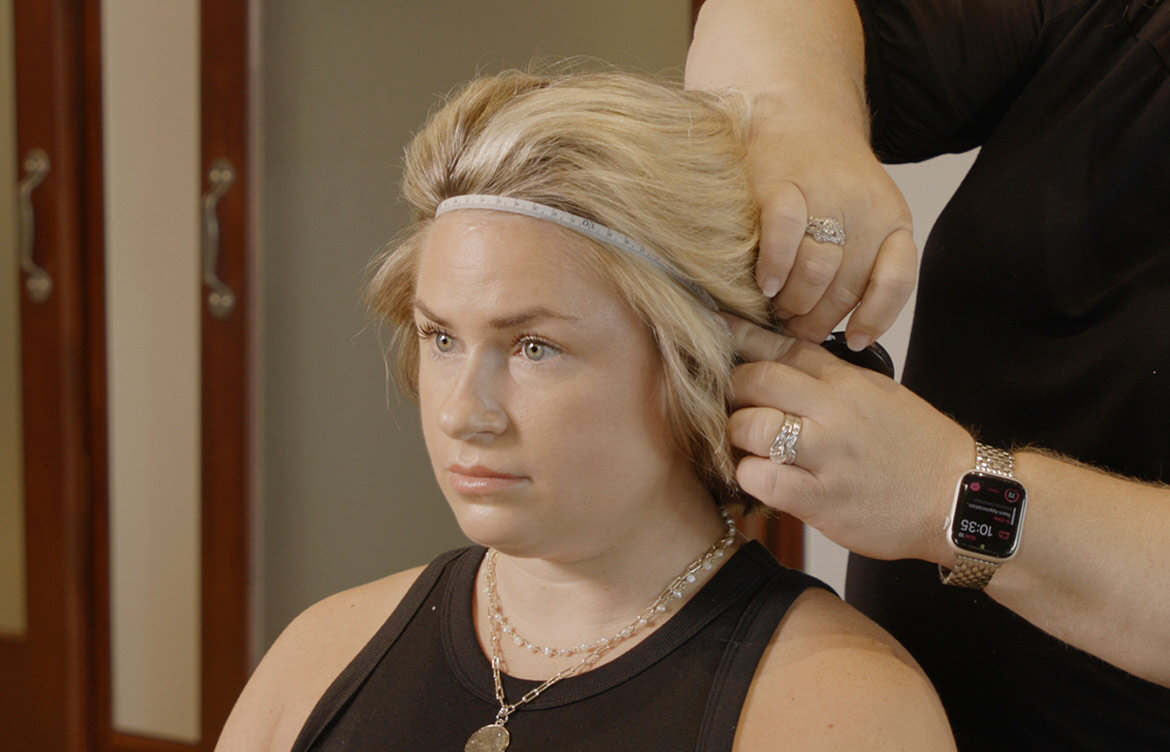
It can be difficult to tell which size to try or where the front of the wig should sit. For Katelyn, working with a wig specialist helped her understand what a good fit looked and felt like.
“When you’re working with a professional, they measure your head, see where your hairline falls, and work with you to find the perfect fit. Having a wig that is tailored to you is going to look the most natural.”
A specialist can measure your head, check where the wig sits along your hairline, and help you compare cap sizes. If you’re trying on a lace front wig, they can show you where the lace should sit for a natural-looking hairline. They can also help you compare different lengths and densities. Density is how full the hair looks, and it can make a difference to the wig’s appearance, especially if you’re looking for something close to how you wore your hair before.
If you’re measuring at home, follow our step-by-step guide to measuring your wig cap size. If you’re between sizes or unsure where the wig should sit, you can get help through a consultation with an expert.
Truth #3: A wig can be just as versatile as a natural head of hair

An updo for a wedding, curls for a night out, or a low ponytail for the gym. Katelyn was surprised by how many of her usual hairstyles she could still wear with a human hair wig.
“It surprised me how much I can do with this wig. I can style it just as much as my natural hair. I’ve enjoyed putting my wig in updo’s for special occasions like weddings, I’ve been able to straighten or curl it, and I pull it back for the gym. It’s really no different to normal hair.”
A human hair wig can be washed, straightened, or curled, and a stylist with wig experience can help you decide whether to cut or color it. Heat styling is also possible with some heat-friendly synthetic wigs, so it’s important to check the care instructions before picking up a curling iron. If you’re comparing your options, see our guide to human hair and synthetic wigs and our tutorial on curling a wig.
The hair and cap construction both affect how a wig feels and moves. High-quality human hair can feel soft and be less prone to tangling, particularly when the cuticles are aligned. A lace front uses flexible mesh that lets air pass through at the hairline and can give you more styling options when you sweep the hair back. A fully hand-tied cap lets the hair move more freely and can feel light and comfortable. Learn more about hand-tied and wefted wigs.
Pro tip for beginners: How do you keep a human hair wig soft between wears?
|
For washing and drying instructions specific to Follea wigs, see our wig care guide.
Truth #4: There’s a learning curve to wearing a wig
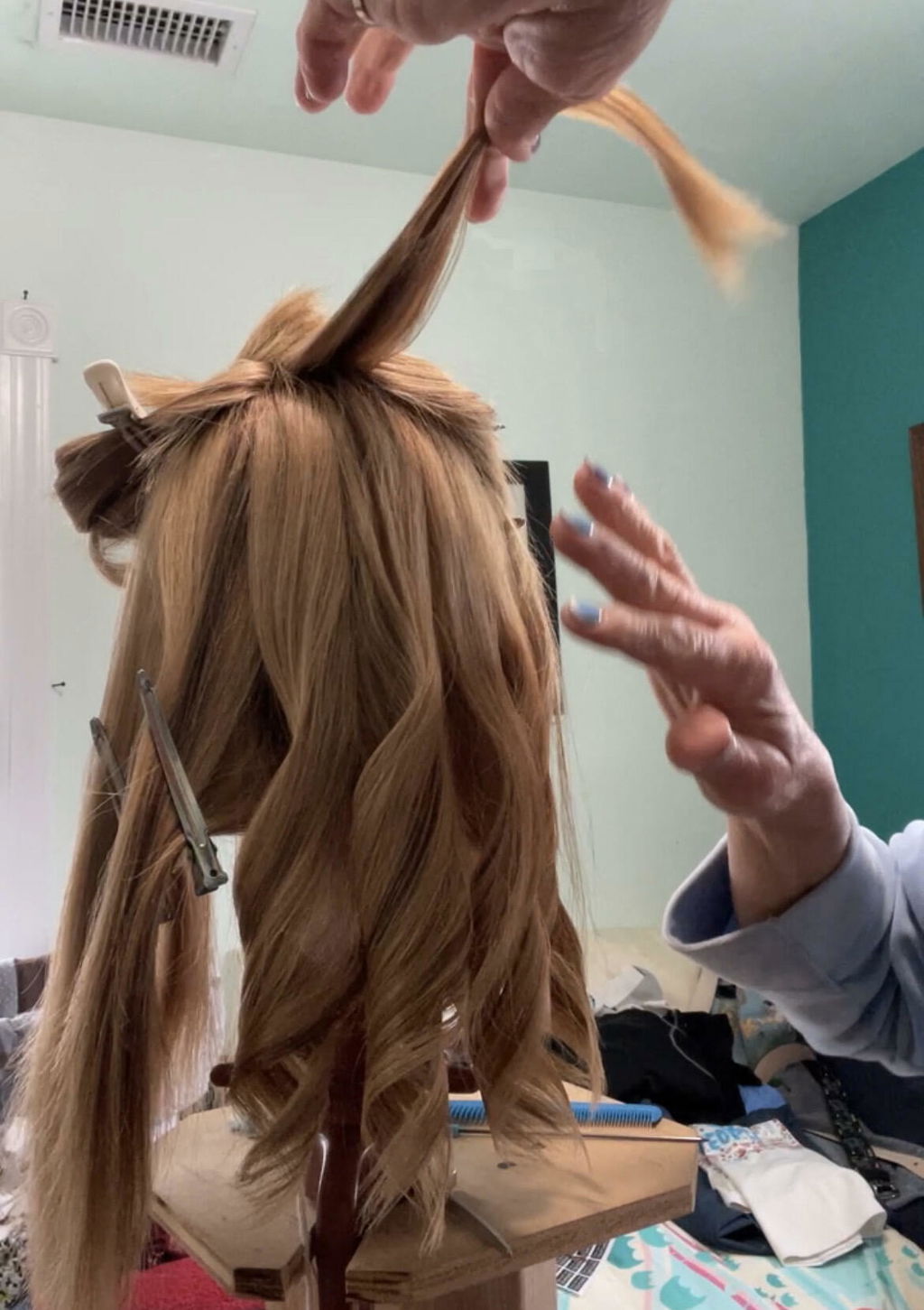
Mastering how to put on a wig and best styling techniques can take time, but with patience and practice, it becomes second nature. Many wig wearers find that using a mannequin head helps them perfect their techniques. Tutorials, youtube videos, and consultations with professionals can also speed up this process and help a new wig wearer gain confidence in their styling abilities.
“Learning how to put on my wig and style it was definitely a learning experience. I had to learn which styles looked the most natural on me, and I eventually figured out how to style my wig on a mannequin head compared to my own head.”
Truth #5: It’s possible to fall in love with wearing a wig
What surprised Katelyn most was how much she came to enjoy wearing her wig. At first, the feeling of having something on her head took some getting used to. Over time, seeing a familiar version of herself in the mirror made wearing it feel more like part of her day.
“I was surprised at how much I ended up loving wearing my wig. At first it felt a bit foreign to have something on my head all the time, but I quickly learned to get used to it because it made me feel like myself.”
For beginners, a quiet afternoon at home can be a good place to start. Choose a hairstyle that feels familiar and give yourself a little time to see how you feel in it. You might wear your wig around the house one day and try it on a short outing the next. If you feel comfortable, you can also share how it’s going with someone you trust.
You get to decide when wearing a wig feels right for you. For Katelyn, what began as something she needed during hair loss became an accessory she genuinely looked forward to wearing.
Truth #6: A wig can transition with you throughout your hair loss journey

Wigs come in various cap constructions that are designed to provide comfort and adapt as your hair changes. Whether you are facing complete hair loss, experiencing early regrowth, or even moving towards a full head of hair again, the right wig can adjust with you through every stage.
“I lost my hair through chemotherapy and it has started to grow back. I’ve been very surprised at how well my wig has fitted throughout my journey, whether I had hair or no hair. It has been really nice to have one wig that has transitioned with me.”
For anyone going through the ups and downs of hair loss, having a wig that transitions seamlessly with them can be a steady source of comfort and confidence through each step of their journey.
How Can I Move Forward with Confidence on My Wig Journey?
Facing hair loss, whether from a medical condition or as a result of treatment, can be an overwhelming and emotional experience. The uncertainty and vulnerability it brings can deeply impact your sense of self. Many people, like Katelyn, know all too well the fears and anxieties that come with adjusting to life with a wig and wondering if they’ll ever feel comfortable and confident again.
Now that you have some insight into the realities of wearing a wig, you may be feeling more confident about exploring the idea of wearing a wig yourself. We recommend you start by consulting with a wig specialist to explore the best options for you. Take the time to try on different styles and learn how to care for your wig so it feels like an extension of yourself.
If you’re ready to take the first step, consider reaching out to our team at Daniel Alain or learning more about choosing your first wig and reading more personal stories to inspire you. Your path to feeling like yourself again starts here.

 Call Us
 Showroom