Best Hairstyles for Alopecia: Stylish Looks for Every Stage of Hair Loss

Discovering signs of traction alopecia can be incredibly stressful. Many women feel the same frustration: dealing with thinning hair, visible scalp areas, and the fear of further damage can leave you feeling overwhelmed. Finding ways to style your hair without worsening the issue can seem like an impossible challenge.
At Daniel Alain, we've spent decades helping individuals navigate the challenges of hair loss with compassion and expertise. From crafting premium wigs and toppers made with real hair to developing innovative solutions like INTACT 5, we're dedicated to providing the tools, knowledge, and support you need to protect and restore your hair's health.
In this article, we'll share some of the best hairstyles for alopecia, along with tips to style your hair while recovering. From protective hairstyles and clever tricks for covering thinning areas to insights on products that minimize damage and promote healthy regrowth, we've got you covered.
By the end, you'll feel empowered with solutions to regain your confidence and care for your hair.

BEST HAIRSTYLE FOR TRACTION ALOPECIA SUFFERERS
First and foremost, it is best to give your hair and scalp a break from tension and pulling, as this is what causes damage to the hair follicle. Opting for protective hairstyles for traction alopecia can help you hide hair loss while giving your follicles the chance to recover. This means choosing styles that allow hair to be natural and loose and foregoing tight ponytails, buns, braids, or hair extensions.
The following are some hairstyles and practices that can help hide traction alopecia and minimize repeated stress to the hair follicles.
Here are some gentle and stylish hairstyles designed to help conceal areas affected by traction alopecia while minimizing tension on your hair and scalp. These options not only protect your hair follicles but also allow you to feel confident and comfortable as your hair recovers.
A trusted hairstylist can help tailor any of these looks to your hair's current stage of recovery. Some women find comfort in a shaved head while healing, but if you'd rather keep your length, these gentle styles can help.
Layered or Blunt Bob
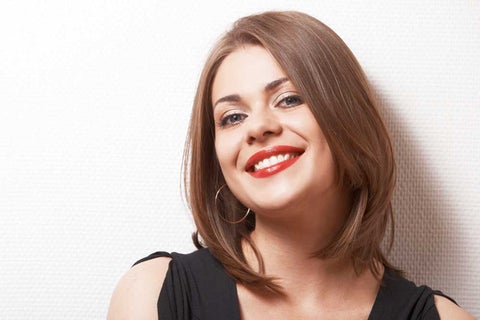
Wearing hair loose in its natural texture with a layered bob gives freedom of movement and avoids tension and pulling, whether your hair is curly or straight. When hair is cut shorter, it can also help give the appearance of more volume, since the hair is not weighed down so much, which is especially helpful if you have fine hair.
Whether you choose soft layers, a blunt bob, or an even shorter pixie cut, this style can help minimize the urge to pull your hair up high, tight, and away from the face.
Loose Braid for Shoulder Length Hair
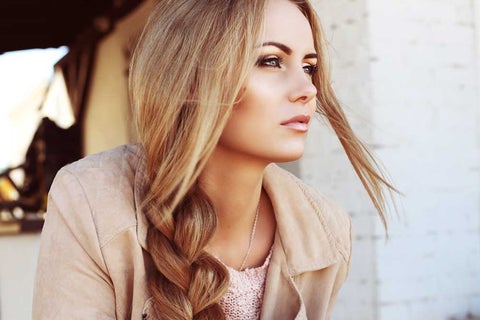
If you keep your hair at shoulder length or longer and have enough hair to gather without strain, a low, loose braid is a gentle way to keep hair pulled back without excessive tension. It's a softer alternative to a tight ponytail. Leaving a few pieces loose to frame the face can also help conceal thinning areas along the hairline.
To create this gentle style, start the braid low at the nape without pulling the hair tightly or securing it with a hair tie. Use the long handle of a rat-tail comb to gently loosen sections of hair at the crown and prevent them from being pulled too tightly. Above all, avoid any pulling or unnecessary tension throughout the process.
Bangs
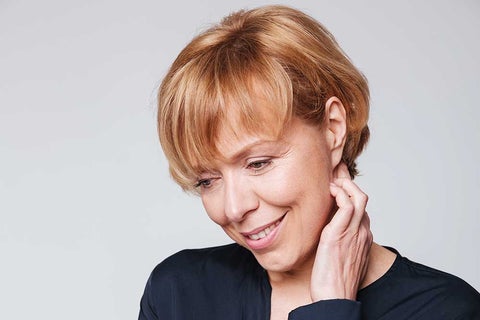
Bangs can be fun, playful, and stylish—plus they offer the perfect solution to hiding a receding hairline or covering up thinning around the forehead. Bangs will also help protect any new hair growth along the hairline as the follicles begin to recover.
Change Up Your Parts: Side Part Vs Center Part
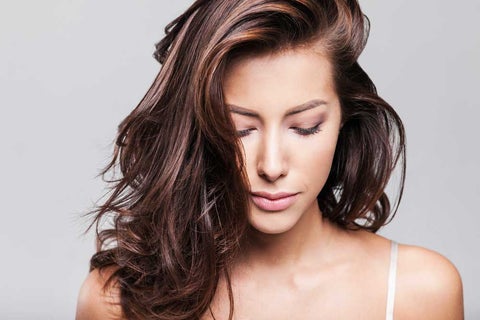
Simply moving your hair part can help hide traction alopecia and give hair a break. If you wear your hair parted on the left, then switch your part to the right or opt for a middle part. If you prefer to keep your hair parted on the same side, try moving it left or right just a half inch to ease up on tension and pulling.
Scarves & Hats
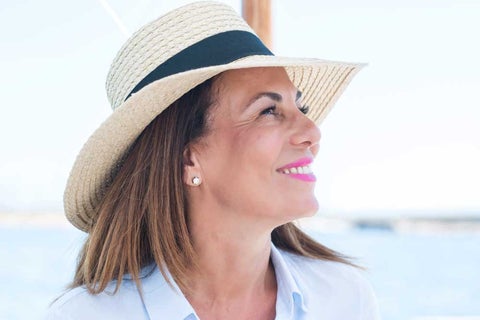
Accessorizing with scarves and hats can help cover up traction alopecia thinning and exposed scalp areas while giving hair follicles a much-needed break from pulling and tension. Hats can provide a quick, stylish fix when you are stepping out of the house. Remember to wear scarves loose, as you don't want to create friction at the hairline.
Hair Fibers & Powders
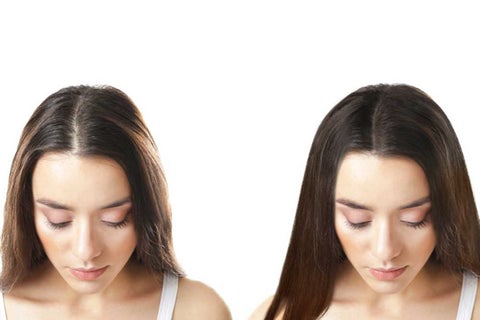
If you have areas of noticeable hair thinning, bald spots, and/or tiny broken hairs, you can use hair fibers or apply hair powders to create the appearance of thicker, more voluminous hair. These temporary cosmetic fixes work well at the temples, crown, and along the hairline, and can also help make a wider part appear narrower and less noticeable. These same techniques can also help those managing alopecia areata or other forms of hair loss to camouflage exposed patches.
CAN TRACTION ALOPECIA BE REVERSED?
So long as you catch traction alopecia early, before permanent damage is done to the hair follicles, you absolutely can reverse traction alopecia. The key is to stop wearing your hair pulled back and tight.
Wearing hair natural and loose will give the compromised hair follicles a break from tension and allow the natural growth cycle to resume and new growth to come in. Be patient and select hairstyles to hide alopecia. It can take several months for your scalp and hair to recover. Incorporating tips and tricks, or changing your hairstyle, can help you through the process.
INTACT 5 HAIR SHEDDING TREATMENT
Your hair and scalp will remain vulnerable as you recover from traction alopecia. It's important to take care of your hair and yourself by using gentle hair care methods, eating healthy, and managing stress. Using INTACT 5 can help protect the hair and resist pulling and tension during routine washing, brushing, and styling.

Let INTACT 5 be your first line of defense when reversing traction alopecia. INTACT 5 helps minimize hair loss from pulling and tension on the hair follicles. INTACT 5 activates in just 5 minutes and lasts for hours to help protect your hair when it's most vulnerable.

 Call Us
 Showroom