Are Wigs Bad for Your Hair?

Have you thought about wearing a wig, then found yourself worrying it might harm the hair you still have?
If you’re experiencing hair thinning or shedding because of medical treatment, how can you feel comfortable covering it when you’re trying so hard to care for it?
Those are understandable questions, especially when advice about wigs, scalp health, and hair growth can sound contradictory. The reassuring news is that wearing a wig does not usually cause hair loss on its own, although fit and daily habits do matter.
In this guide, we’ll explain where problems can arise and share practical ways to protect your natural hair and scalp while finding a wig that feels right for you.

Can Wearing Wigs Cause Hair Loss?
A wig does not usually stop hair growth or damage hair follicles simply because it covers your head. The main concern is repeated pulling or rubbing, especially around an already fragile hairline. A tight wig, clips attached to delicate strands, or tightly braided hair underneath can contribute to hair breakage and, over time, traction alopecia. This type of hair loss is caused by ongoing tension. It can become permanent if the pulling continues for an extended period.
If your hair is shedding because of alopecia areata, chemotherapy, hormonal changes, or another medical cause, that process may continue while you wear a wig. Seeing bio hair in your brush does not automatically mean the wig caused the loss. A dermatologist can help identify the cause if shedding is new, or difficult to explain.
What Makes a Wig More Likely to Irritate Your Hair or Scalp?
A fit that feels tight or shifts and rubs
A wig should feel secure without squeezing your head, leaving persistent pressure marks, or pulling at your edges. If it moves with every turn, repeated friction can also bother a sensitive scalp. Adjusting the fit or trying another cap size is more useful than tightening it until it hurts. Pain, stinging, broken hairs at the hairline, or a receding hairline are reasons to change what is putting pressure and get properly fitted for a wig that is the correct size.
Clips, adhesives, and preparing your bio hair
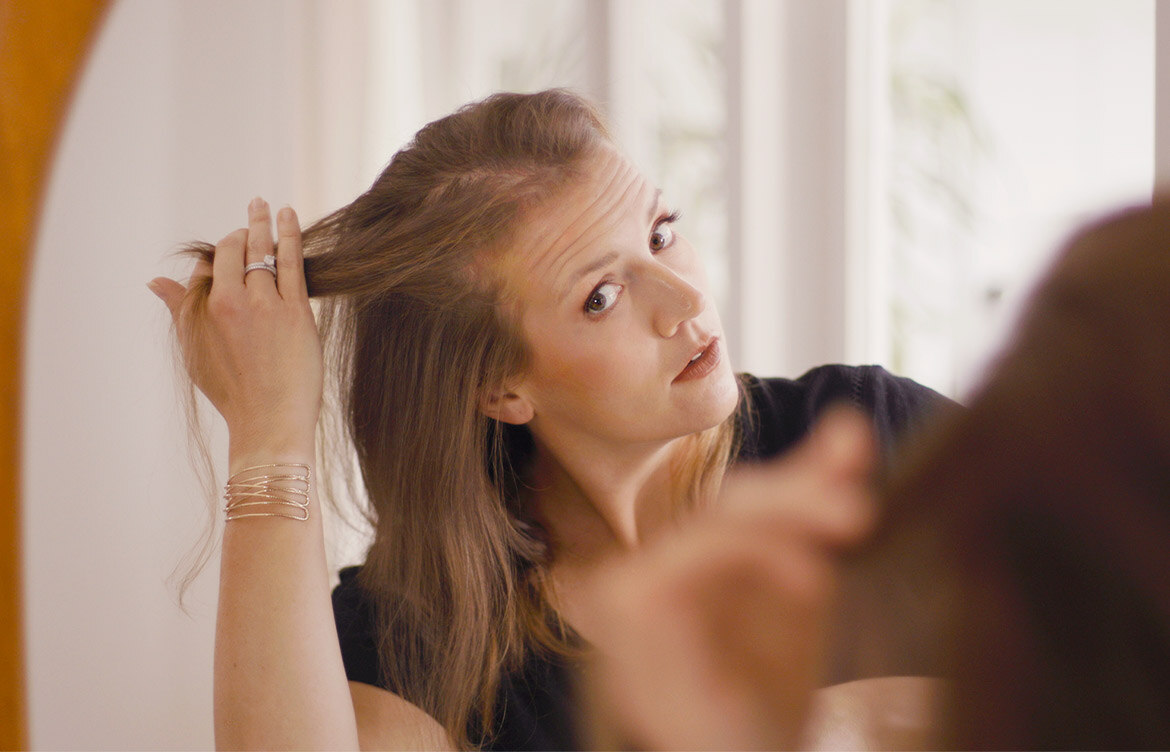
Clips need enough healthy hair to hold without tugging. Move or avoid them if they pull on thinning areas. If you use tape or adhesive, follow the product instructions and remove it gently with the appropriate remover; never pull a stuck wig away from your hairline. Some people develop scalp irritation or an allergic reaction to adhesive products, so stop using a product that causes burning, itching, or a rash.
How you arrange your natural hair matters too. Avoid tight braids or slicked-back styles that create constant tension beneath the wig. Keep longer hair smooth and comfortably secured without being too tight.
Sweat, buildup, and sensitive skin
A wig cap can feel warm, particularly in hot weather or during activity. Excessive sweating does not mean the wig is harming your follicles, but a tight wig can trap moisture, cause product buildup, or rubbing that may make an already sensitive scalp uncomfortable. Maintain your hair health by removing the wig when practical, keeping your bio hair and scalp cleansed and clean, and regularly washing your wig according to its care instructions.
If you notice a persistent rash, sores, or unusual itching, ask a healthcare professional to check it rather than assuming it is ordinary wig discomfort.
Do Wigs Suffocate Your Scalp or Stop Hair Growth?
No. Hair follicles receive the blood supply and nutrients involved in growth beneath the skin; they do not need to be uncovered to “breathe”. Taking off a wig can still help you check your scalp, allow you to wash your hair, and relieve pressure. A break is about comfort and care, not supplying air to the follicles.
How to Protect Your Natural Hair While Wearing a Wig
Choose a comfortable fit
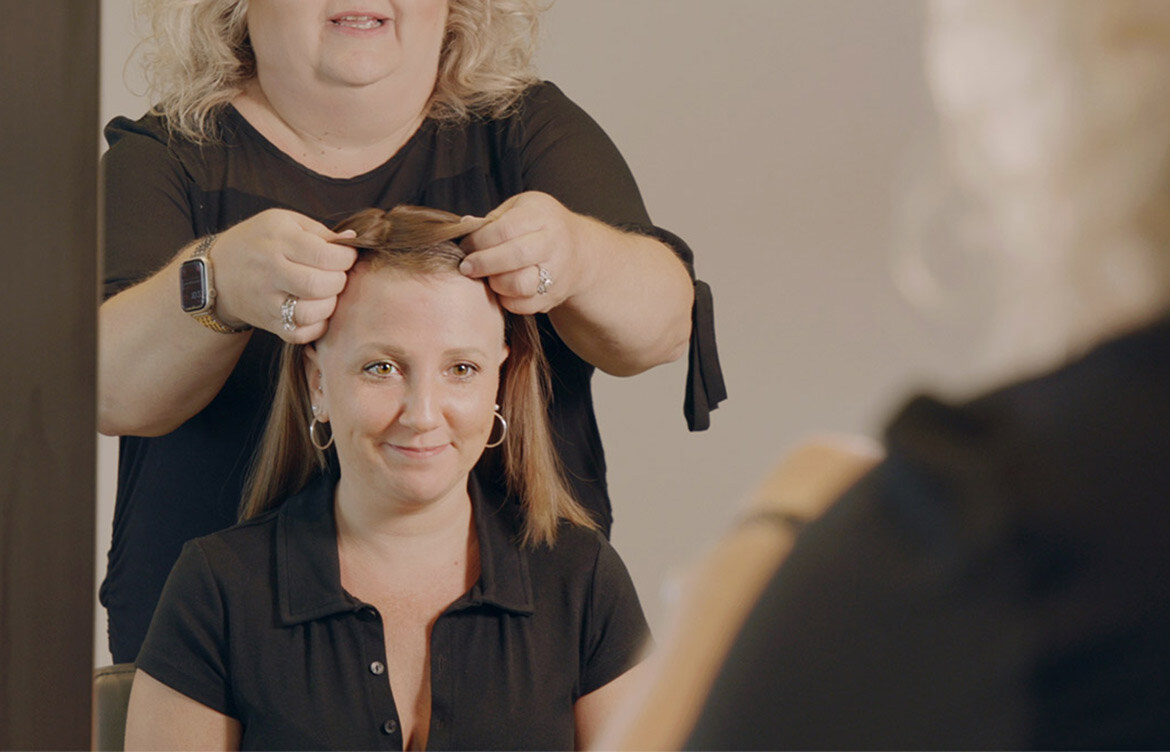
Measure your head using the wig maker’s guide, then check the hairline, ears, and nape for pressure or rubbing. Reassess the fit if your amount of natural hair changes.
Be gentle with the hair underneath
Style your bio hair loosely, avoid repeated pulling in the same spots, and remove clips or adhesive carefully. Do not sleep in a wig if it creates extra friction or pressure; follow the guidance for your particular wig and scalp.
Keep a regular hair care routine
Wash your natural hair and scalp according to your hair type, oiliness, activity, and any advice from your dermatologist. Cleanse gently and dry your hair before covering it again. There is no one washing schedule that suits everyone.
Respond to discomfort early
Adjust or remove anything that hurts, creates sores or tension headaches, or makes your scalp itch. Seek a dermatologist’s advice for persistent irritation, new patches of hair loss, or signs of traction alopecia.
Are Human Hair Wigs or Synthetic Wigs Better for Hair Health?
The fiber itself is usually less important to your scalp health than the fit, cap construction, attachment method, and care routine. Both human hair wigs and synthetic wigs can be comfortable choices. A lace front can create a natural look at the hairline, but lace alone does not guarantee a gentle fit. A soft liner or breathable materials may help if you have a sensitive scalp; choose by how the finished wig feels on your head.
Human hair can be styled with heat, which lets you change your look without applying a flat iron to your own hair. Synthetic hair generally keeps its preset style with less daily styling. Use heat on synthetic fibers only if the wig is specifically labeled heat friendly, and follow its temperature instructions. Neither type treats the underlying cause of hair loss.
The Benefits of Wearing Wigs

Wigs can do wonders for your natural hair and confidence. Let’s talk about some of the biggest benefits of wearing wigs and why they can be a great option for anyone, whether you’re protecting your natural hair or trying something new.
Protective Styling
One of the best things about wigs is how they can act as a barrier for your natural hair. Whether it’s harsh sun, pollution, or cold weather, wigs can shield your hair from these environmental stressors. This helps reduce wear and tear on your natural strands, allowing them to stay healthier over time.
Reduced Heat Damage
Tired of reaching for the flat iron or curling wand? With a human hair wig, you can style the hairpiece instead of your own hair, giving your natural locks a much-needed break. This means less exposure to heat tools, which helps prevent dryness, breakage, and split ends.
Boost Confidence
For anyone dealing with hair loss, thinning hair, or a bad haircut, wigs offer an easy and effective solution. They let you experiment with styles, colors, and lengths without any permanent changes. Best of all, they can help you feel like the best version of yourself and boost your self-confidence.

CAN I WEAR A WIG WITHOUT DAMAGING MY HAIR FOLLICLES?
Wigs are a fantastic tool for style, confidence, and even protecting your natural hair - and the good news is that wigs themselves don’t cause damage to your hair. Issues like breakage or irritation only happen when wigs are worn improperly or without the right precautions. With proper fit, regular scalp care, and mindful use of adhesives or clips, you can wear wigs safely and keep your natural hair healthy.
So, whether you’re exploring wigs to address hair loss or simply to try out new looks, there’s no need to worry. Wigs are a safe, versatile, and empowering option for everyone.
Ready to dive deeper? Check out our beginner’s wig buying guide for tips on choosing your first wig. Or, if you’re still unsure, schedule a free consultation with one of our wig experts to find the perfect fit and learn how to make the most of your new look. Your hair journey can be as exciting and worry-free as you want it to be - let’s make it happen!

Frequently Asked Questions (FAQs)
A: Can wearing a wig every day damage my hair?
A: Wearing a wig every day does not inherently damage your natural hair, provided you follow proper wig-wearing practices. Consistently wearing a wig without giving your hair and scalp adequate care can lead to issues such as tension on the hair follicles, dryness, or irritation. To prevent potential damage:
Ensure Proper Fit A well-fitted wig reduces unnecessary pulling and friction.
Take Wig Breaks Allow your scalp to breathe by taking breaks from wearing the wig.
Maintain Scalp Health Regularly cleanse and moisturize your scalp to keep it healthy underneath the wig.
Use Gentle Adhesives If using adhesives or clips, opt for those that are less likely to cause strain or breakage and apply them carefully.
Q: What type of wig cap is best for preventing hair damage?
A: The best wig cap for preventing hair damage is one that offers comfort, breathability, and a secure fit without causing excessive tension. Here are some top choices:
Lace Front Caps These provide a natural-looking hairline and are lightweight, reducing friction and pressure on the scalp.
Natural Lace Caps Materials that are gentle on the hair minimize breakage and reduce static. They’re also breathable and allow better air circulation to keep the scalp cool and reduce sweat buildup.
Adjustable Caps Wig caps with adjustable straps or closures ensure a snug fit without being too tight and prevent traction alopecia.
Q: How often should I wash my natural hair when wearing wigs regularly?
A: When wearing wigs regularly, it's important to maintain a consistent hair-washing routine to keep your natural hair and scalp healthy. Generally, you should:
Wash Your Natural Hair Every 7 to 10 Days This frequency helps remove buildup from sweat, oils, and any hair products used underneath the wig.
Scalp Cleansing Even if your natural hair is short or you have thinning hair, gently cleanse your scalp to prevent dryness and irritation.
Moisturize After washing, apply a lightweight moisturizer or leave-in conditioner to keep your scalp hydrated.
However, the exact frequency can vary based on your hair type, scalp condition, and personal preferences. If you notice signs of buildup, itchiness, or dryness, consider adjusting your washing schedule accordingly. Additionally, always ensure your natural hair is completely dry before putting on a wig to prevent moisture-related issues.

 Call Us
 Showroom