How to Wear a Wig for the First Time: Expert Advice for New Wig Wearers

Wondering how to wear a wig for the first time and make it look natural? Worried about finding a comfortable fit, keeping it secure, or feeling like yourself with new hair?
This guide will help you prepare for your first wig, understand the basics of wearing wigs, and build confidence at your own pace. We’ll cover choosing a wig, putting it on, styling and care, and getting comfortable wig wearing in public, with advice from someone who understands the experience firsthand.
Daniel Alain spoke with Erin, a hair loss consultant at Nedia Hair Loss Specialist and Spa. Erin lost her hair as a child and began wearing wigs for the first time at 10 years old. Today, she draws on her personal experience and professional knowledge to support others through their hair loss journey.

Choosing Your First Wig: What to Know Before Shopping

The world of wigs can feel overwhelming when it’s your first time. Before making a purchase, focus on a few practical questions: Does the wig fit comfortably? Do you like its appearance? Can you maintain it within your routine and budget?
You don’t need to have everything figured out before shopping. Trying different options can help you realize what feels right for you.
Understand the different types of wig hair
Three common options are synthetic, human hair, and combination wigs:
-
Synthetic wigs: A synthetic wig usually holds its preset shape after washing, making it a good choice if you prefer less daily styling. Standard synthetic fibers are sensitive to heat, so avoid hot tools unless the manufacturer specifically says the wig is heat-friendly. Synthetic wigs generally have a limited lifespan compared to well-maintained human hair wigs.
-
Human hair wigs: These offer realistic movement and can be styled much like natural hair. They typically require more styling after washing, and heat protection and gentle handling are still essential.
-
Combination wigs: Also called blended wigs, these combine human hair and synthetic fibers. Their styling options and care requirements depend on the blend, so read the instructions before using heat.
Wig construction matters, too. Lace front wigs have a sheer lace section at the front, with hairs individually attached to create a natural-looking hairline. A lace front describes the cap construction; it doesn’t tell you whether the hair is human or synthetic.
Measure your head for a comfortable fit
Measure your head before buying, using the brand’s sizing instructions. A soft measuring tape is usually used around the head’s circumference, and some brands also request measurements from front to back and ear to ear.
Most wigs offer some fit adjustment, often through inner straps or adjustable tabs. These allow small fit adjustments, but they won’t compensate for a cap that is significantly too large or too small.
A snug fit reduces the risk of the wig slipping throughout the day. It should feel secure without causing pressure, pinching, or a headache.
Choose a style and color that feel like you
For your first wig, you may feel most comfortable choosing a color, length, and style similar to your own hair. Bring a picture of a look you loved to your consultation.
You can also use this opportunity to express yourself and have fun with a different look. There’s no requirement to recreate your previous hair, or to make a dramatic change.
A wig specialist can help you compare options and explain whether a particular wig can be cut or customized. The aim is to find something that suits your life and your own sense of beauty.
How to Wear a Wig for the First Time: Step by Step

Give yourself plenty of time for your first try-on. A quiet, private space and a mirror can make the process feel easier.
Step 1: Prepare and flatten your natural hair
If you have bio hair, secure it as flat as possible before putting on the wig. Uneven sections underneath can affect the look and create bumps.
For long or thick hair, try loose braids pinned flat around your head. Short hair may only need smoothing back. Avoid bulky buns and tight braiding that pulls on fragile hair or your scalp.
If you have little or no hair, you can move straight to checking how the wig sits.
Step 2: Position the front at your natural hairline
Hold the wig by sturdy sections of the cap, avoiding pulling on delicate lace. Tilt your head slightly forward, position the front edge at your natural hairline, and gently pull the back into place.
If hair loss has made your hairline difficult to identify, an older photograph or learn about the four finger rule for wigs.
Make sure the wig sits evenly. Where the cap has ear tabs, these should sit in matching positions on either side of your head. The front should look natural, rather than sitting too low on your forehead.
Step 3: Adjust the inner straps or tabs
Use the wig’s inner straps or adjustable tabs to make it snug. Depending on the design, you may need to remove the wig to make these adjustments.
Make small changes, then try it on again. Tightening it as much as possible won’t necessarily make it more secure and may cause discomfort.
Step 4: Add a wig grip if needed
A velvet wig grip can help prevent sliding by adding friction beneath the cap. It may be useful if your wig feels correctly sized but still shifts.
Some wigs also have clips or combs, which need suitable natural hair to anchor them. Avoid attaching these to fragile areas or using them if they pull.
For people with little or no hair, wigs with silicone sections inside the cap can provide grip through contact with the scalp. A consultant can help you choose a suitable option.
As Erin explains:
“In my experience, getting the right size is key. A well-fitted wig that sits snugly is far less likely to shift, so I always recommend trying on a few options to find the best one for you.”
Step 5: Check the fit and practice moving
Before leaving the house, gently turn your head, look down, and walk around. This simple test can help you check whether the wig feels stable during normal movement.
Look at the front, sides, and back in a mirror. Adjust the part or smooth the hair as needed, then give yourself a little time to get used to your reflection.
You don’t have to feel amazing immediately. An unfamiliar appearance can take time to settle into, even when you like the wig.
How Do You Style a Wig?
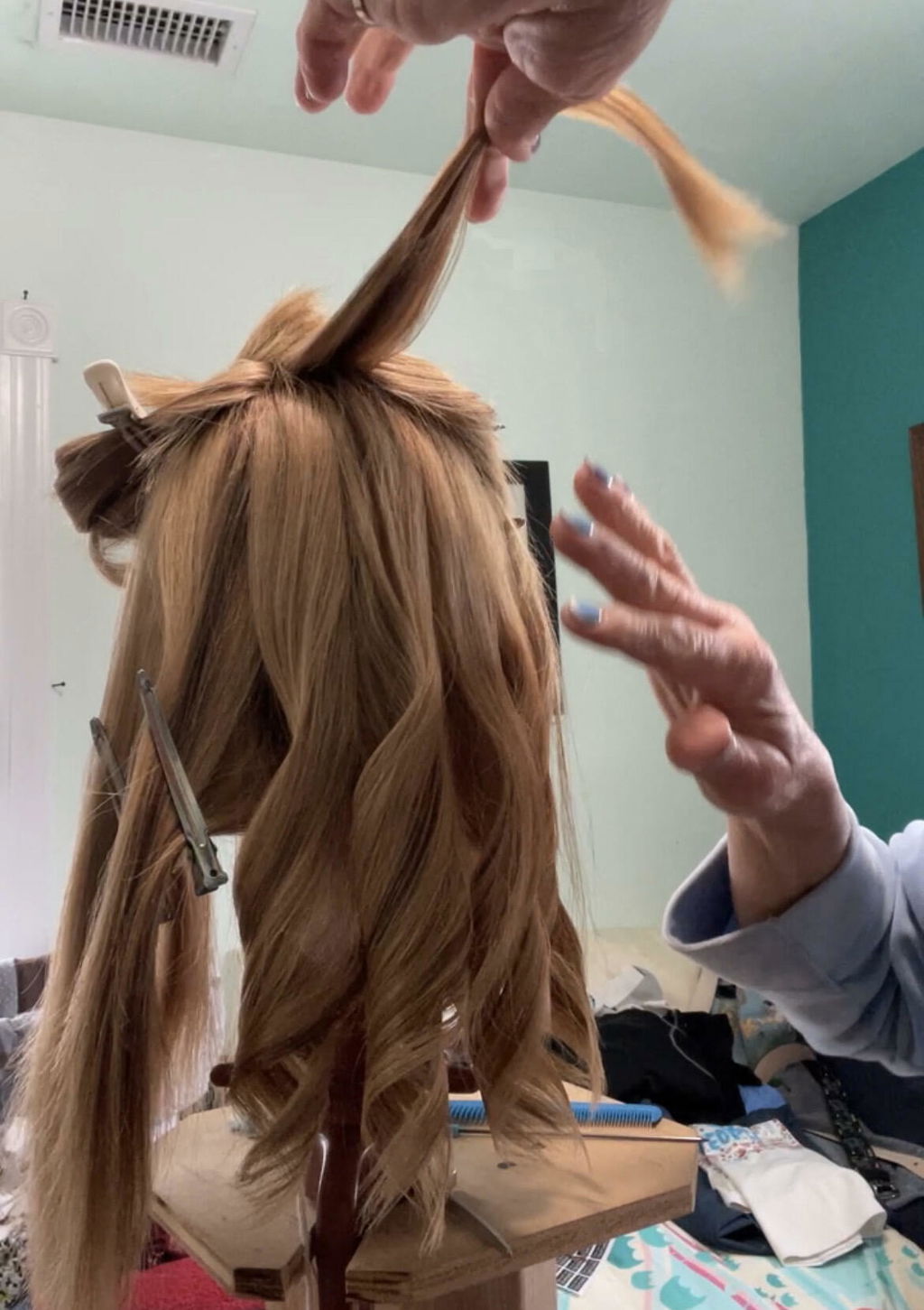
Styling your wig on a stand gives you better control and makes it easier to see the sides and back. Use a suitable wig stand or doll head, securing the wig only as the manufacturer recommends to avoid damaging the cap or lace.
Styling a human hair wig
Human hair wigs can usually be curled, straightened, or waved, but they still need careful handling.
Erin advises:
“I always recommend using heat protectant if you’re styling with hot tools, as this keeps the hair looking healthy and shiny.”
Use the lowest effective temperature within the manufacturer’s recommendations, and avoid repeated heat passes over the same section. Our wig styling guide offers more guidance on styling a human hair wig.
For everyday wear, start with a simple look you can manage comfortably. If you want to change the shape or add a fringe, work with a stylist who has experience with wigs. Unlike growing hair, a wig cannot grow back after a trim.
Styling a synthetic wig
A standard synthetic wig should be styled without hot tools to protect the fibers. Use your fingers or a wig-appropriate comb or brush, following the care instructions for its texture.
Heat-friendly synthetic wigs have specific temperature limits. Don’t assume that a heat setting suitable for human hair will be safe for synthetic fibers.
If styling flexibility is a priority, compare human hair and synthetic wigs before deciding.
How Do You Wash and Store a Wig?
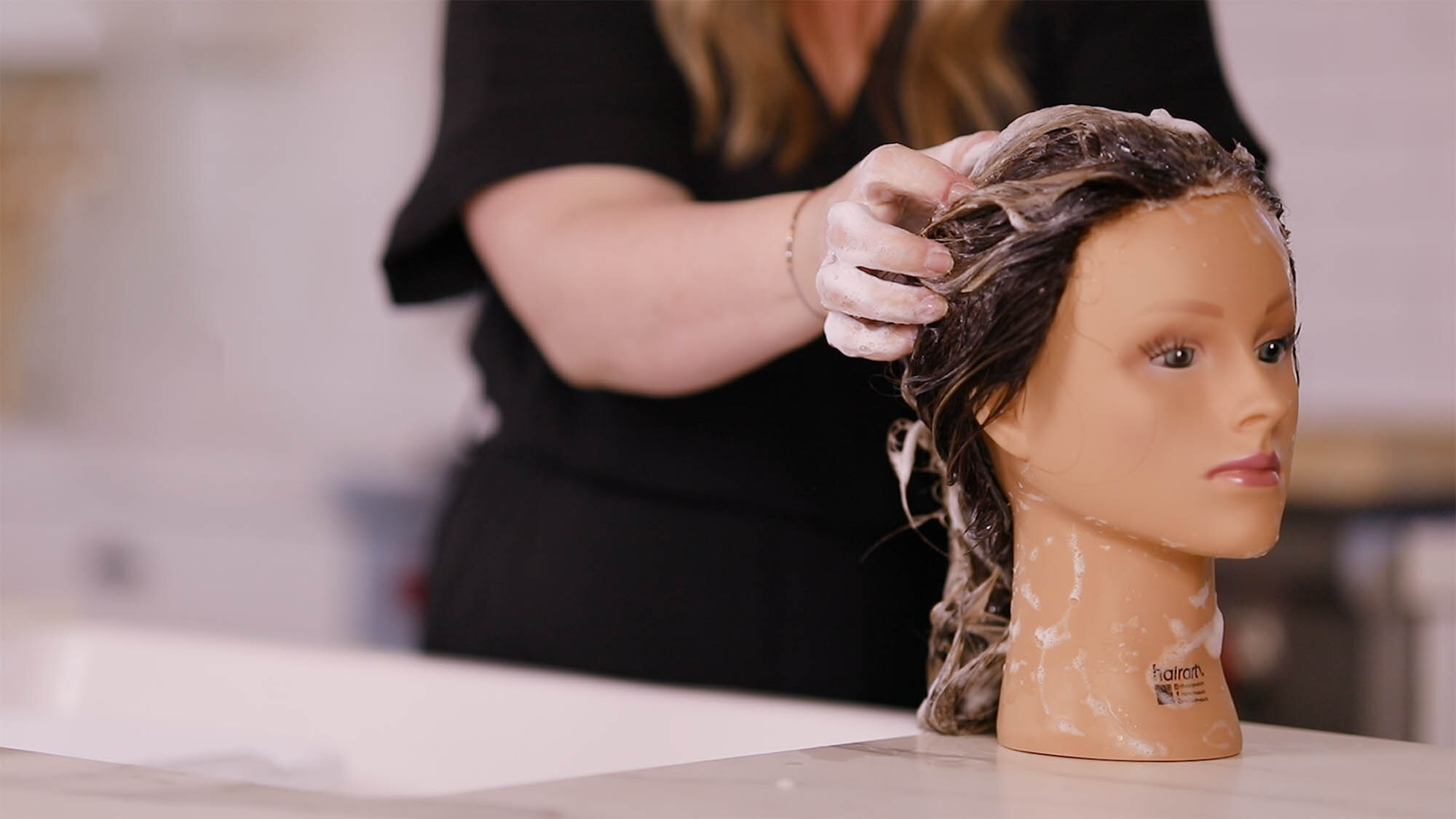
Learning to care for a wig may feel intimidating, especially after a significant purchase. A clear routine can help you feel more confident handling it.
How often should you wash a wig?
Your schedule depends on your wig’s care instructions and how often you wear it. Erin suggests every 7–10 wears as a general guide, while some wigs may go 10–15 wears between cleans if you’re alternating a couple of different pieces. Wash sooner if sweat, odor, or product buildup develops.
Follow a gentle washing routine
-
Detangle carefully. For textures that allow combing, use a suitable detangling comb, starting at the ends and working upward. Follow separate instructions for curly wigs.
-
Use the right shampoo. Choose shampoo formulated specifically for your type of wig. Human hair and synthetic wigs may need different products.
-
Wash as directed. Use the recommended water temperature and avoid rubbing, twisting, or wringing the hair.
-
Condition where appropriate. Use a hydrating conditioner, keeping it away from knots if the manufacturer instructs you to.
-
Dry gently. Blot away excess water and place the wig on a drying stand. Avoid stretching a wet cap over an oversized stand.
Store your wig on a stand
Between wears, store your dry wig on a properly sized stand to help maintain its shape and reduce tangling. Keep it away from direct sunlight and heat.
Remove it at night unless it is specifically designed for extended wear and your specialist has advised otherwise. Sleeping in a wig can increase friction and tangling.
How long do wigs last?
Wigs can last from a few months to several years, depending on the hair type, construction, frequency of wear, and care. Synthetic wigs tend to have shorter lifespans, particularly with daily wear.
Hair quality, cap construction, washing, heat styling, and storage all affect longevity. Even a durable wig needs gentle care, so ask about realistic maintenance and replacement expectations before you purchase.
Getting Comfortable Wearing Wigs for Hair Loss
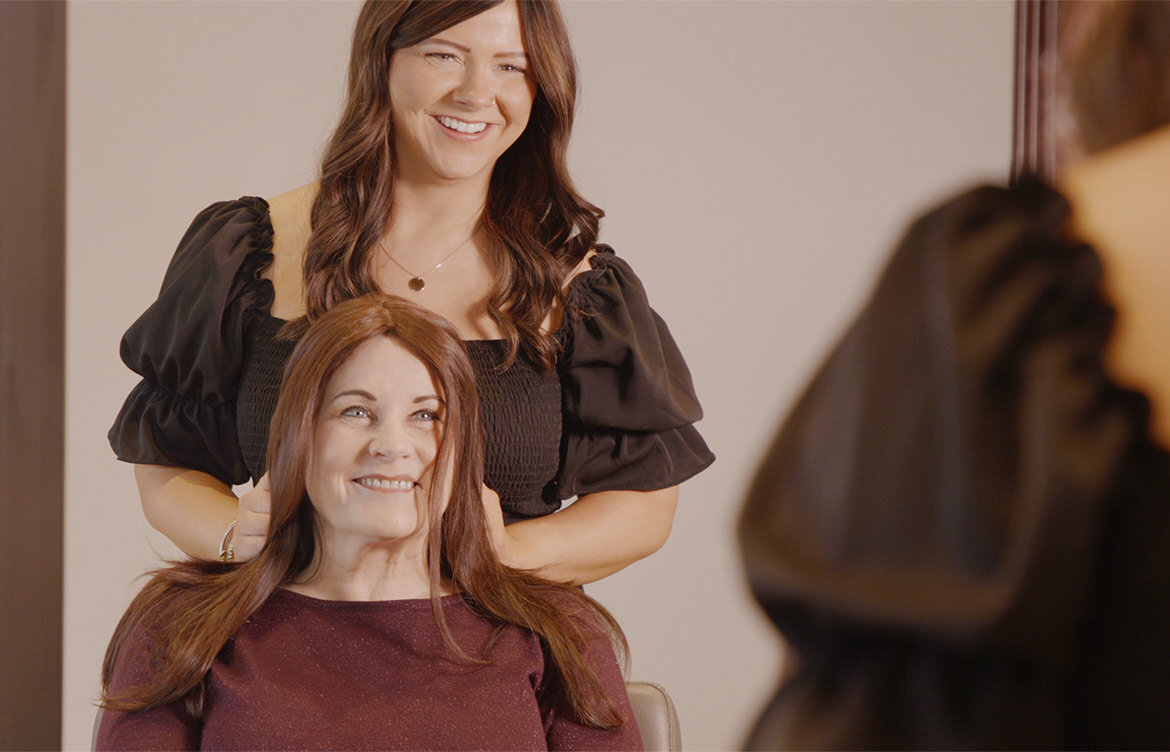
Knowing how to put on a wig is one part of the experience. Feeling comfortable wearing it can take longer, especially when you’re also processing hair loss.
Practice wearing your wig at home
Start with short periods at home, gradually working up to a few hours if it feels comfortable. Read, answer emails, or spend time with family while wearing it.
This is an ideal way to get used to the sensation without the added pressure of being in public.
Erin shares:
“One of the best ways to overcome this is to start wearing the wig in situations where you feel most comfortable—at home or with close friends and family.”
If the wig hurts, repeatedly slips, or irritates your skin, seek help with the fit. You don’t need to push through discomfort.
Try a low-pressure outing
When you’re ready to leave the house, take a little walk, visit a grocery store, or meet someone you trust for coffee. An ordinary outing gives you a chance to practice wearing your wig while focusing on something else.
You might ask your partner, husband, a friend, or another loved one to join you if their company helps you feel at ease.
There is no deadline for feeling confident. Each comfortable experience can help build confidence for the next one in your journey.
Remember that most people aren’t studying your hair
When you’re wearing a wig for the first time, every detail can seem noticeable. It can help to remember that people may notice far less about your hair than you do.
Feeling more comfortable can influence how you carry yourself and how others perceive you, but confidence isn’t something you need to perform. You’re allowed to feel worried or nervous and still go about your day.
Decide what you want to share
You don’t owe anyone an explanation about your wig or your hair loss. Telling friends, family, or colleagues is a personal choice.
If someone compliments your hair, a simple “Thank you” is a complete response. If you want to share more, you can, but keeping it private is equally valid.
Give yourself room to adjust
Wearing a wig can boost your confidence, but it doesn’t have to resolve every feeling you have about hair loss. You might feel relieved, excited, worried, or uncertain, sometimes all at once.
A wig can help you feel more like yourself, but being your best self doesn’t depend on your hair. Keep your comfort at the center of the decision and move at your own pace.
As Erin puts it:
“Take your time with the transition, experiment with different looks, and be gentle with yourself.”
Where Can You Buy Your First Wig?
Visiting a wig specialist near you lets you compare cap designs, feel different hair types, and try them on in person.
A consultation at a salon can also give you practical help with sizing, placement, and care.
Before buying, ask:
-
Does this wig suit my head measurements and level of hair loss?
-
Can you show me how to put it on and adjust it?
-
What products and tools will I need?
-
Can it be cut or styled to suit me?
-
What are the return policy and ongoing maintenance costs?
If you opt to shop online, check sizing guidance, return conditions, and available support before ordering. Seeing real customer experiences can be helpful, but most people’s perfect fit may feel different on you.
Ready to Start Wearing Your First Wig?
You don’t need to master wig wearing in a single day. Start with a comfortable fit, practice putting it on, and learn a simple care routine. Once you have those basics covered, you can build up to longer wear and different styles.
If you’d like help choosing, schedule a consultation or visit a trusted wig specialist. You can also explore customer experiences to hear how others approached the adjustment.
Whether you’re still wondering about your options or finally feel ready to try your first wig, take the next step when it feels right for you.