5 Common Wig Fitting Problems and How to Fix Them

Is your wig not sitting quite right, or does it itch at the worst possible moment? Are you unsure whether the problem comes down to the cap size, your style, or how you’re adjusting your wig?
Whether this is your first wig or you’ve been wrestling with these issues for some time, finding a comfortable fit can be a frustrating process. Wearing a wig should help you feel confident, especially when you’re already navigating the challenges of hair loss.
At Daniel Alain, we’ve spent over twenty years helping women find the right wig and work through a wide range of wig fitting concerns.
In this article, we’ll help you understand what might be causing the problem and what you can do about it. We’ll cover wigs that feel too tight or too loose, unnatural-looking hairlines, caps that won’t sit flat, and itching or irritation.
Ready to tackle these common wig problems? Let’s get started.

Problem #1: Your Wig is Too Tight
You want a secure fit, but a wig should feel secure without squeezing your head.
How to tell if your wig is too tight
Chances are if your wig feels too tight, you’ll know about it. Signs to look for include indentations at your temples, red marks, or pressure around each ear and the nape of your neck. The discomfort may get worse after wearing your wig for a few hours. Sometimes, you might even end up with a headache.
What can you do about it?
First, try adjusting the straps at the back of the wig. Most wigs come with straps that you can loosen or tighten to get a better fit. If your wig has a lace front, avoid pulling on the delicate lace as you make adjustments.
Also check how your natural hair sits underneath. A bulky style can make the cap feel tighter. See Problem #4 for tips on arranging your hair so it lies flat.
If the wig still feels tight, it might be time to look for a larger cap size. It’s worth finding a wig that fits comfortably. You’ll feel much better!
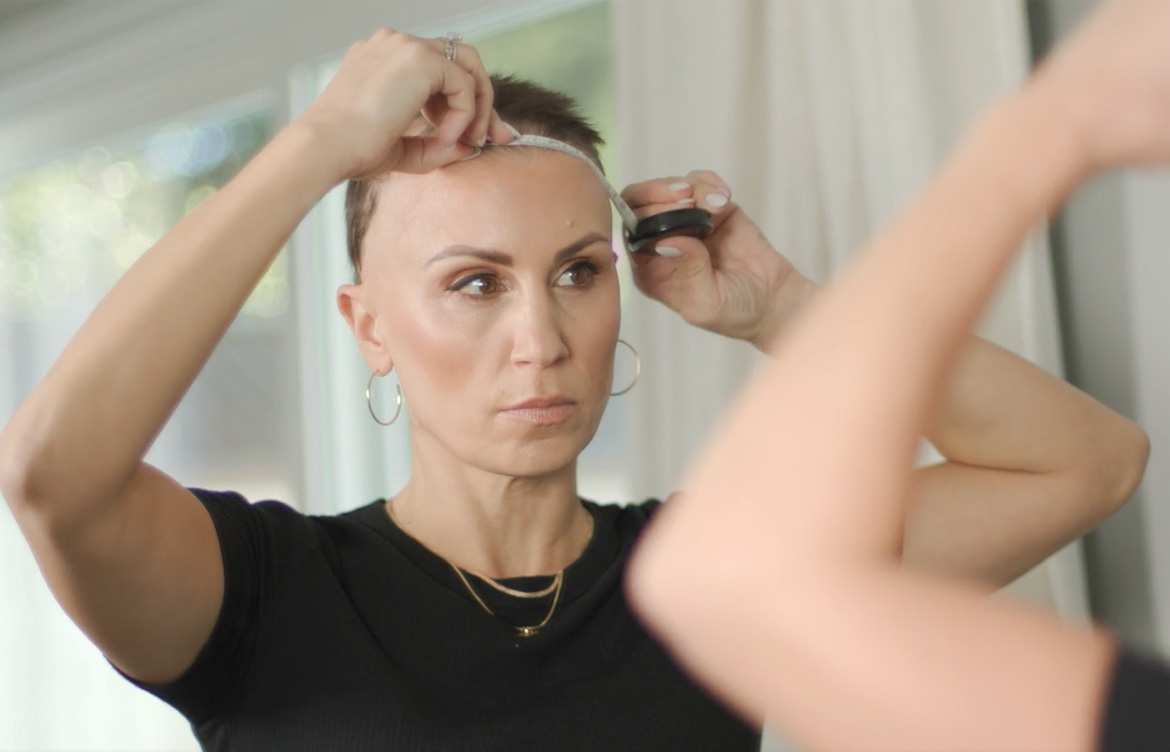
One of our customers, Merritt, recommends having a consultation with a professional who can guide you through the process of finding the right size and fit, including taking accurate measurements with a flexible measuring tape.

“My consultant was so patient. She explained everything to me and we measured my head. She brought out just the right fit for me. I wouldn’t have found the perfect wig without her.”
Head circumference is usually the main starting measurement for choosing a wig size, but measurements from your front hairline to the nape of your neck and from ear to ear also help determine the right fit. Comparing these measurements with the brand’s size chart is an important part of the wig fitting process and helps you figure out which cap size fits best. Don’t assume one size works for everyone.
Use a flexible measuring tape that rests against your skin without pressing into it, and measure at least two or three times to check for consistency. Arrange your natural hair in the style you plan to wear beneath your wig before measuring. If your measurements fall between sizes, check the brand’s sizing guidance and try both sizes if possible, rather than automatically choosing the smaller one.
Problem #2: Your Wig is Too Loose
What if your wig feels too loose? A wig cap that doesn’t sit securely can make you feel unsure and worried about it falling off. Whether your wig is made with human hair or synthetic fiber, a proper wig fitting helps you check that the cap sits comfortably above each ear and that any lace front lies smoothly against your skin.

Many of our customers hike, dance, practice yoga, or ice skate in their wigs. Daniel Alain customer, Sally, explains what it’s like to have a fantastic, well-fitting wig. “My wig just fits to my head like a glove,” says Sally. “It’s like it was meant to be.”
Whether it’s windy weather, bending down to tie your shoelaces, or leaning in for a loving hug, knowing your wig is secure lets you move through your day forgetting it’s even there.
How to tell if your wig is too loose
A wig cap should sit comfortably at the hairline and nape but if your wig shifts around on your head, feels like it might slide off, or shows extra bulkiness at the crown, it’s likely too loose.
What can you do about it?
Start by adjusting the straps at the back of the wig. Tightening these will help achieve a more secure and snug fit around the circumference of your wig.
If adjusting the straps isn’t enough, a professional wig specialist may be able to make the cap smaller by sewing small alterations without cutting it. Whether this is suitable depends on the cap’s construction, so ask your wig provider before attempting any changes yourself.
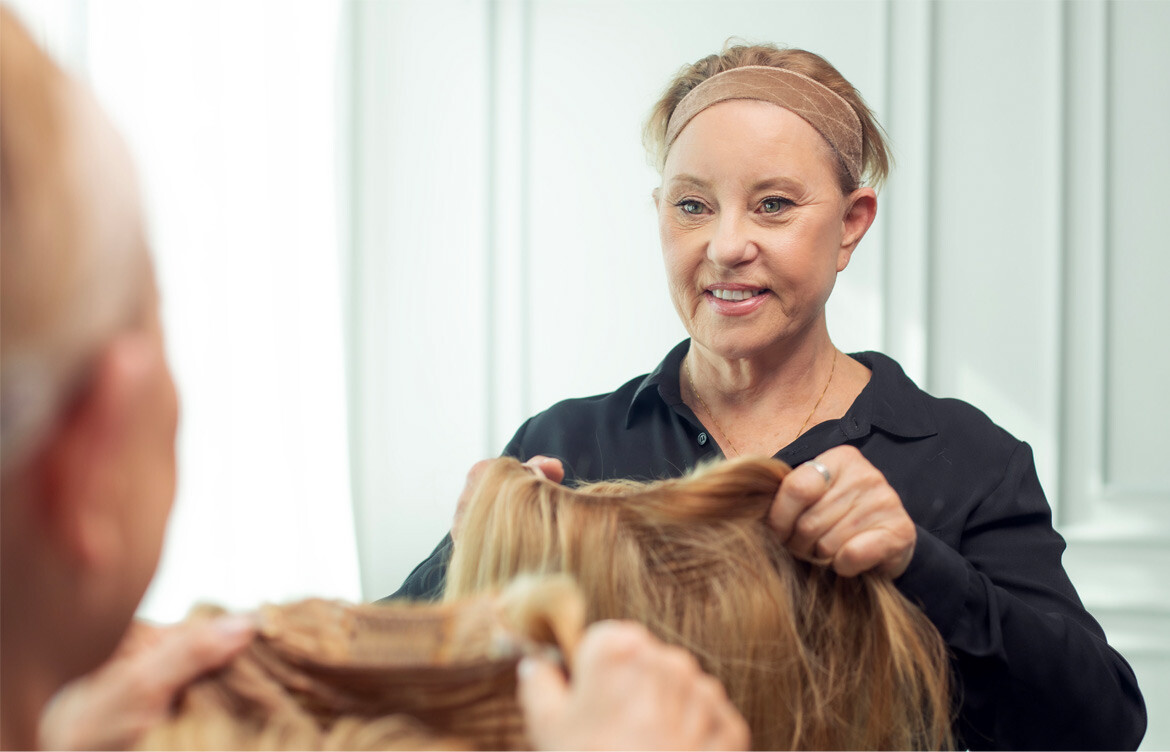
For a more secure fit, a wig grip can be a game-changer. This velvet band wraps around your head and secures at the nape with velcro. When the wig is placed over the top of a wig grip, the velvet pile gives some resistance to slippage and helps the wig stay firmly in place.
Finally, sewing small clips into the interior of your wig can provide extra security. These clips can be snapped to your own hair or wig grip to anchor the wig in place more firmly. Make sure they don’t pull on your natural hair or cause discomfort.
Problem #3: Your Wig Has an Unnatural Front Hairline
When you choose a wig, you’re looking for something that helps you feel like yourself again. But if the hairline on the wig looks too straight or overly dense, it might end up drawing more attention instead of blending in.
How to tell if your wig has an unnatural front hairline
To check if the front hairline of your wig looks natural, you can try a few simple steps. First, if you have them, compare old photos of your natural hairline with how your wig looks now. See if the wig has the same natural shapes and curves as your own did.
Another great tip is to ask someone you trust for their honest opinion. A supportive friend or family member can offer an honest opinion on whether your wig’s hairline looks natural.
What can you do about it?
If you want your wig’s front hairline to look more natural, consider taking it to a professional stylist who has experience with wigs. They can customize the styling and parting. Adding a few fine baby hairs may help soften the edge of a lace front, but it isn’t necessary for every wig.
If your lace-front wig comes with excess lace intended for trimming, carefully trim it according to the manufacturer’s guidance. This can help the edge blend with your skin, but it won’t change the cap size. Some wigs come with closed fronts that shouldn’t be cut.
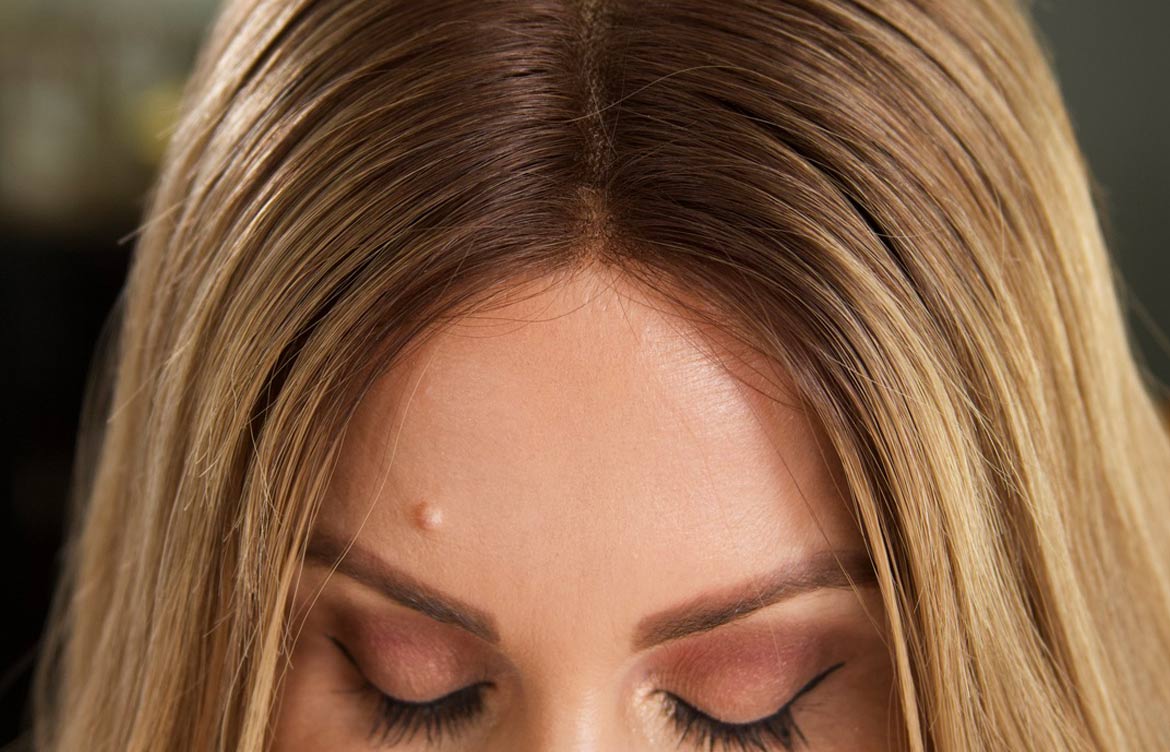
Cap construction can also influence how natural your wig looks. A monofilament top creates the appearance of hair growing from the scalp, particularly around the parting.
Proper positioning of your wig (and keeping it there!) is critical to achieving a realistic hairline. If you have a lace front wig, a light application of strong-hold hairspray can be effective. Apply it sparingly to avoid any build-up that can make it look unnatural.
If your wig is designed for use with tape, position the tape in line with your natural hair line beneath the lace, keeping it off your natural hair. Follow your wig provider’s instructions, as a well-fitting wig designed to be worn without adhesives should not need tape at all.
“I like to add a little bit of stronghold hairspray to my front hairline, just for extra security,” explains Daniel Alain customer, Mirna.
“This little trick gives me the comfort of knowing that my wig is not going to come off. To apply the hairspray, I apply a little bit to my fingertips and then tap it onto the front hairline. Then I put my wig on as it gets tacky. It stays put the whole day.”
Finally, regularly caring for your wig, and handling the lace front gently will help to keep it looking natural. Wash your wig gently and avoid scrubbing the lace front to maintain the integrity of the lace and the hair.
Problem #4: Your Wig Doesn’t Sit Flat
If your wig looks bumpy or raised around the crown, it can be frustrating, especially if this is your first wig and you’re unsure what’s causing it. Even when your wig feels secure, the way your natural hair sits underneath can affect its shape and appearance.
How to tell if your wig isn’t sitting flat
Look for uneven bumps, bunching around the nape, or areas where the wig cap lifts away from your head. Check that the wig sits evenly near each ear and, if it has a lace front, that the lace lies smoothly along your hairline.
What can you do about it?
Start by checking your natural hair underneath the cap. A bulky bun or overlapping braids can create raised areas. Try a flatter style, such as loose braids arranged evenly against your head, rather than gathering all your hair in one place. For shorter hair and flyaways, use a light gel or mousse to gently smooth your hair back.
Next, check the wig’s positioning. If the adjustable straps feel overly tight or cause the cap to bunch, loosen them slightly and reposition the wig. Make small changes throughout this process, checking both comfort and appearance as you go.
If the wig still won’t sit flat, the cap size or wig cap construction may not suit your head shape. Rather than repeatedly adjusting the styling to hide the bumps, arrange a professional wig fitting. A specialist can check the size and fit and help you understand whether the wig cap needs an adjustment.

Problem #5: Your Wig Itches
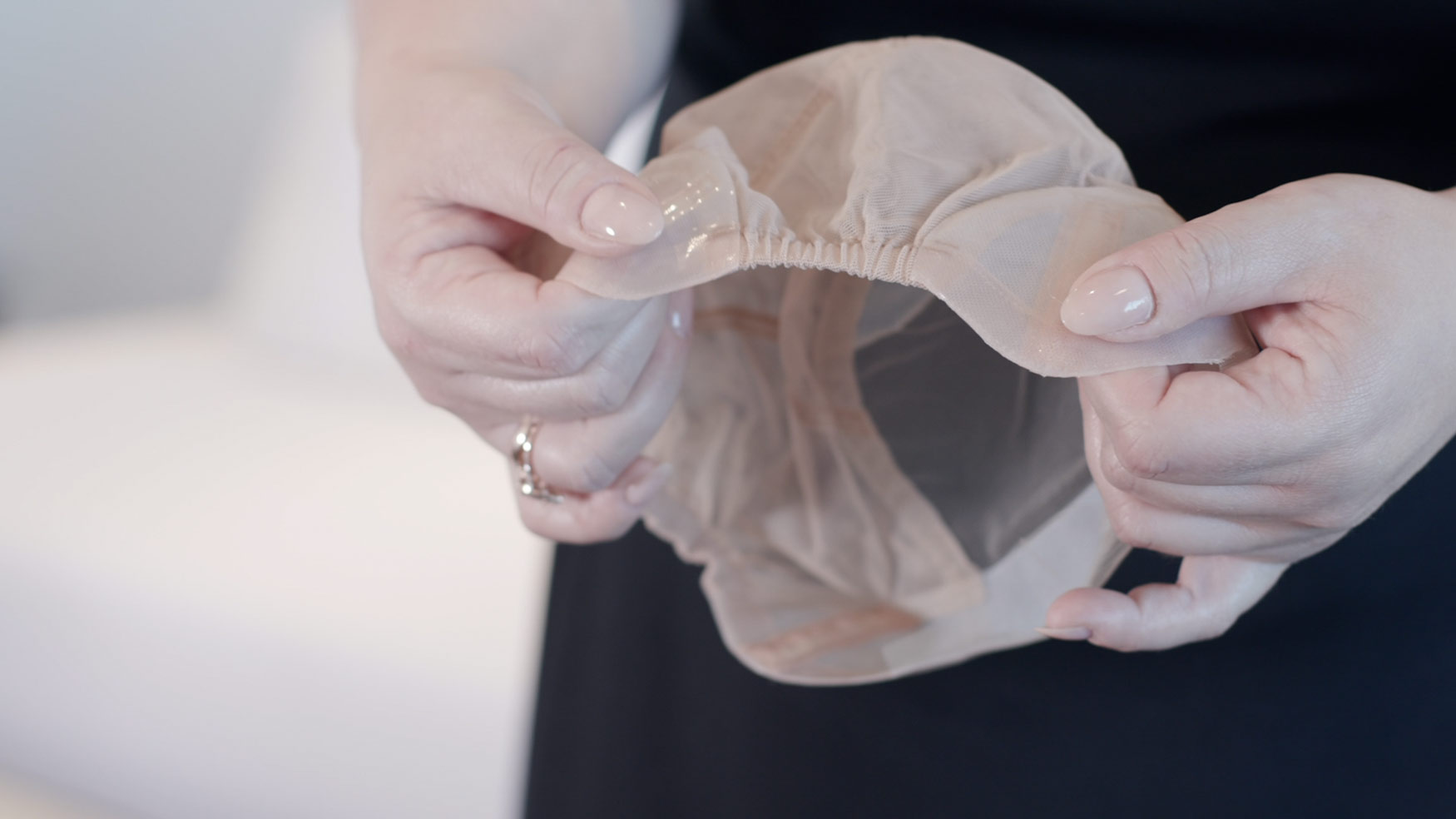
Wearing a wig may sometimes lead to an itchy scalp. This irritation can make wearing a wig uncomfortable, especially if you’re wearing it for long periods. Whether you wear a human hair or synthetic wig with manmade fiber, the cap’s materials, fit, and buildup of sweat or styling products can contribute to itching. If you’re experiencing hair loss, finding a cap that feels comfortable against your scalp is particularly important. At Daniel Alain, we use high-quality Swiss lace to help make our wig caps soft and comfortable.
How to tell if your wig itches
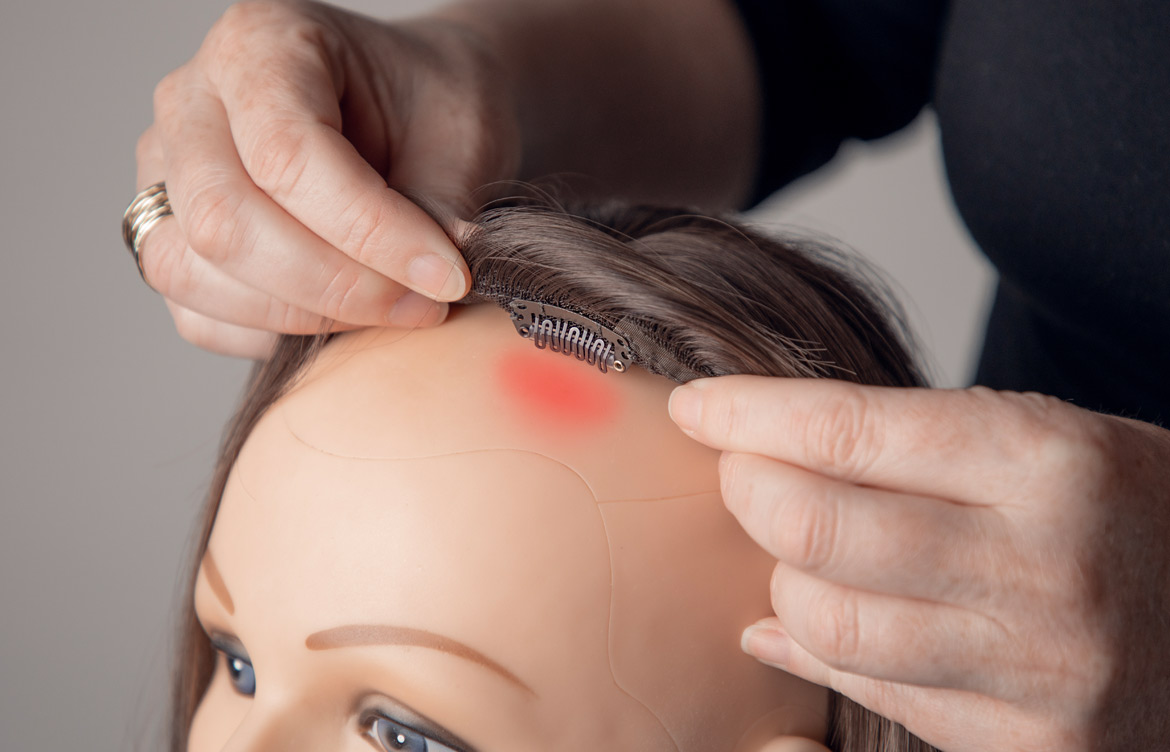
If you catch yourself scratching under your wig or removing it for relief, it might indicate that the material or the fit isn’t quite right for you.
What can you do about it?
If you find yourself being driven to distraction with itching and scratching, there are a couple of things you can try.
It’s important to wash your scalp and any bio hair regularly to keep it clean.
We also recommend that you regularly wash your wig according to the manufacturer’s directions. Buildup from sweat, product residue, and daily wear may contribute to scalp irritation. For a synthetic wig, choose a shampoo formulated for synthetic fibers.
If you use wig glue or tape, take breaks from adhesive when possible to reduce repeated exposure. If irritation develops, stop using the product and remove it gently with the recommended remover. Allow your skin to recover before applying adhesive again.
If you’re choosing a wig and have sensitive skin, look for a cap with soft, breathable materials and comfortable seams. Hand-tied wigs have individual hairs tied to a fine base, and construction varies, so trying on different caps can help you find the feel and fit you prefer.
How can I ensure my wig looks and feels as natural and comfortable as possible?
Whether you’re a newcomer worried about potential pitfalls or an experienced wig-wearer seeking to improve your experience, you’re now equipped with the knowledge to identify and tackle the most common challenges people face when wearing a wig.
Looking ahead, we invite you to book a consultation with our team and explore our high-quality human hair wigs and receive personalized advice on fitting and sizing. We will make sure your Follea looks and feels perfect!
If you have any wig-wearing concerns or questions not covered in this list, our consultants are here to help you resolve them.